info@matthewspaintingpros.com (980) 243-8188 250 N Trade St, Matthews, NC 28105
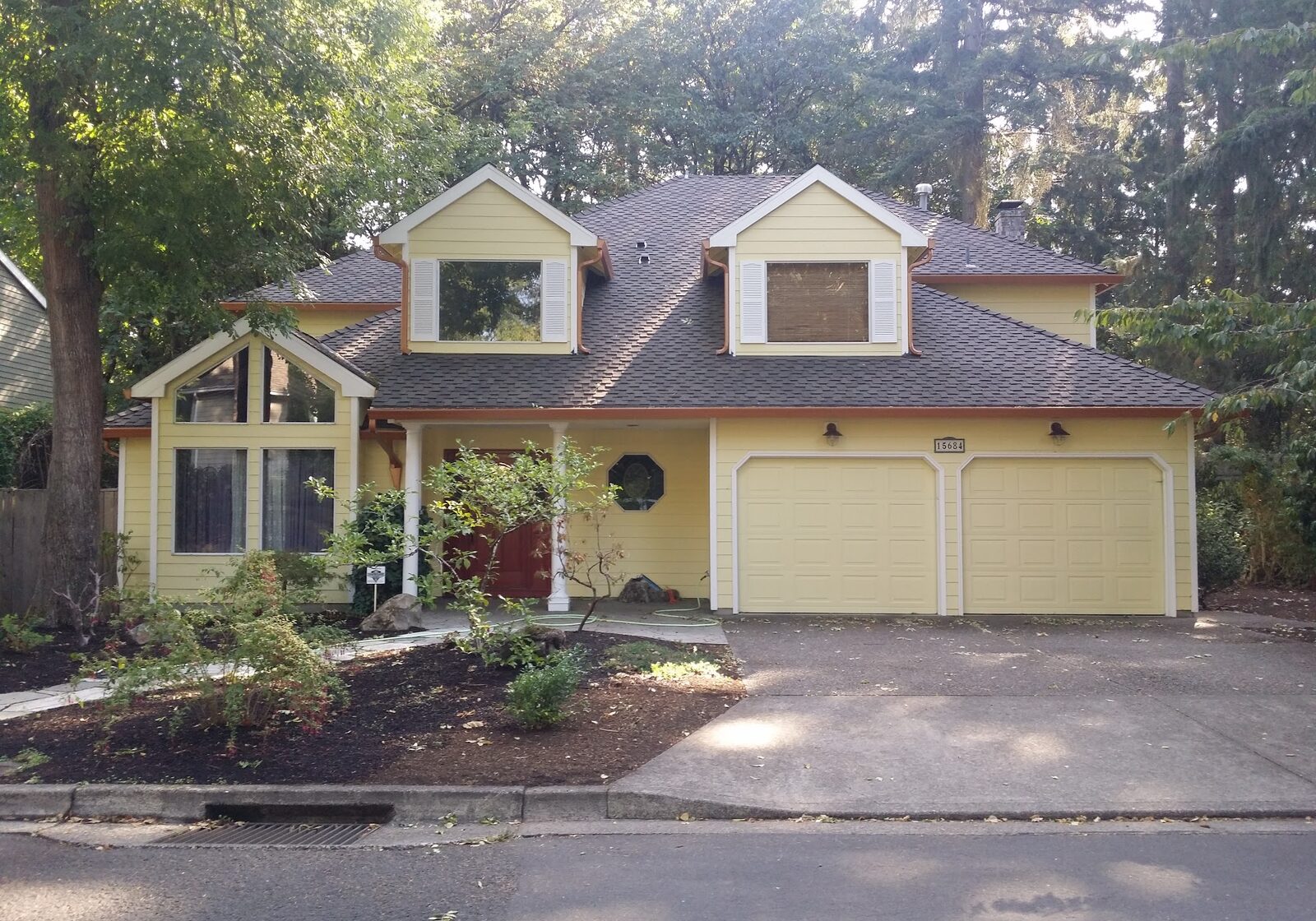
Two-story house with fresh yellow siding paint and white trim
Locally Based · Mon-Sat · Matthews, NC 28105

House Painting Matthews, NC

Interior, Exterior & Cabinet Painting

House painting in Matthews, NC, from one scuffed hallway to a full two-story exterior, with the washing, wood repair and caulk done before the first coat.

  • Lead-Safe Pre-1978 Practices
  • 2-Year Written Warranty
  • Written On-Site Estimates
  • Fully Insured

Request a Painting Estimate

Fill in the form below or call us now on (980) 243-8188

What Is Professional House Painting?

Professional house painting is preparing a surface so paint can bond to it, repairing what is damaged underneath, and applying the right primer and finish coats for that surface and the weather it faces. The visible coat is the last step. Washing, scraping, wood and drywall repair, caulk and primer decide whether a paint job lasts three years or ten. The work follows the paint maker's label instructions and, in homes built before 1978, EPA lead-safe work practices.

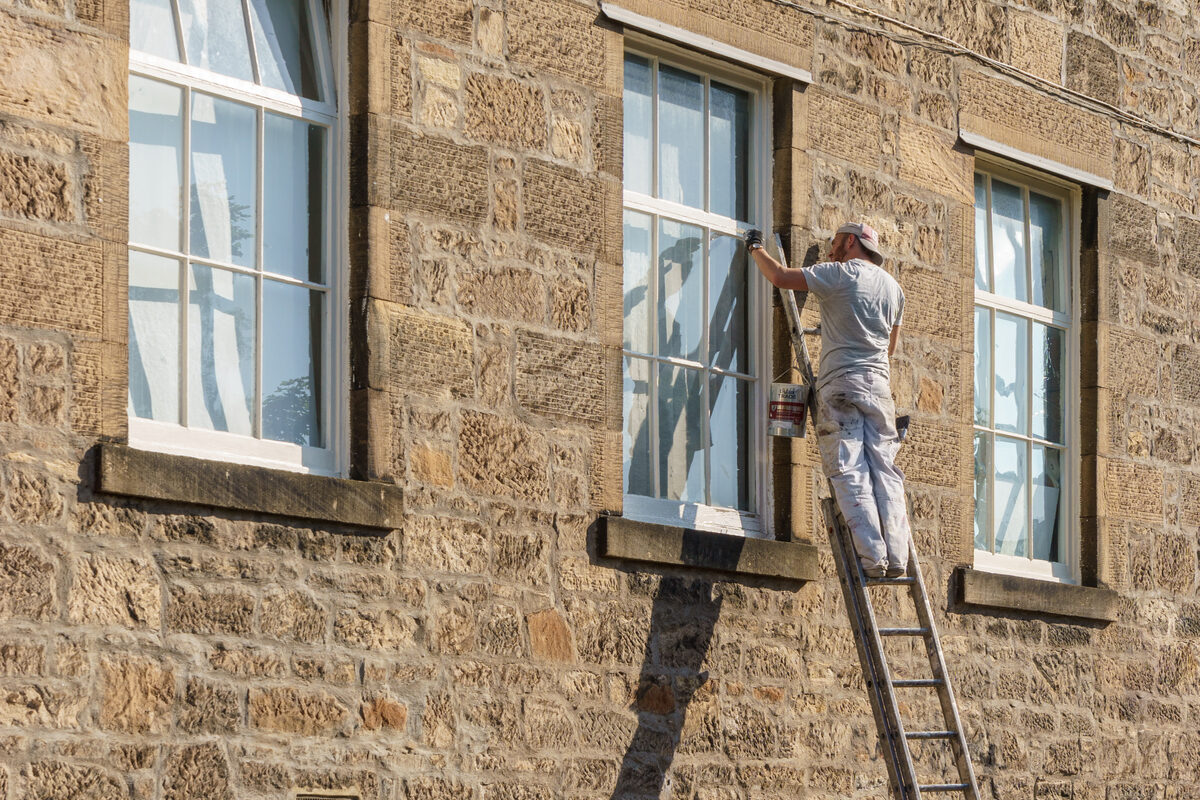
Painter on a ladder painting window trim on the outside of a house in Matthews, NC
Warning Signs

Signs Your House Needs Paint
in Matthews

Paint wears out from the outside in. Peeling, chalking, fading, cracked caulk, mildew, or soft wood are the usual clues. One of them is worth watching. Two or more, or any bare wood, is worth an estimate before the next wet season.

  • Peeling & Flaking

    Paint lifting off trim, fascia or the bottom edge of siding means water is getting behind it or the surface was not prepped.

  • Chalking & Fading

    A powder that rubs off on your hand, and color that looks washed out on the south and west sides, means the binder has broken down.

  • Cracking

    Fine cracks or an alligator pattern in older paint lets water in and usually means scraping back to a sound layer.

  • Failed Caulk

    Open joints at windows, doors and trim corners let rain into the wall and start rot behind the paint.

  • Mildew & Stains

    Gray or green growth on north walls and black streaks under gutters need washing and a mildewcide before new paint.

  • Soft Wood

    If a screwdriver sinks into a sill, door frame or fascia, the wood has rot that paint alone will not fix.

Noticed one of these signs? We can look at it and give you an on-site estimate.

📞 Call (980) 243-8188
Matthews, NC 28105

Why Matthews Homes
Need Paint Sooner

Paint here fails for reasons that come from the houses and the weather. A big stock of 1980s and 1990s homes, hot summers with heavy storms and spring pollen, and HOA neighborhoods with color rules shape almost every job we quote.

Painted two-story homes on a tree-lined suburban street

1980s and 1990s Houses on Their Third Paint Job

Census data shows 45% of homes in Matthews were built between 1980 and 1999, compared with 30% across Mecklenburg County. Many have hardboard siding and finger-jointed pine trim, both of which soak up water through cracked paint and cut ends.

That is why the bottoms of door frames, window sills and the lowest course of siding are where we find most soft wood. Wood rot repair comes before paint on houses of this age, and exterior painting includes probing every side.
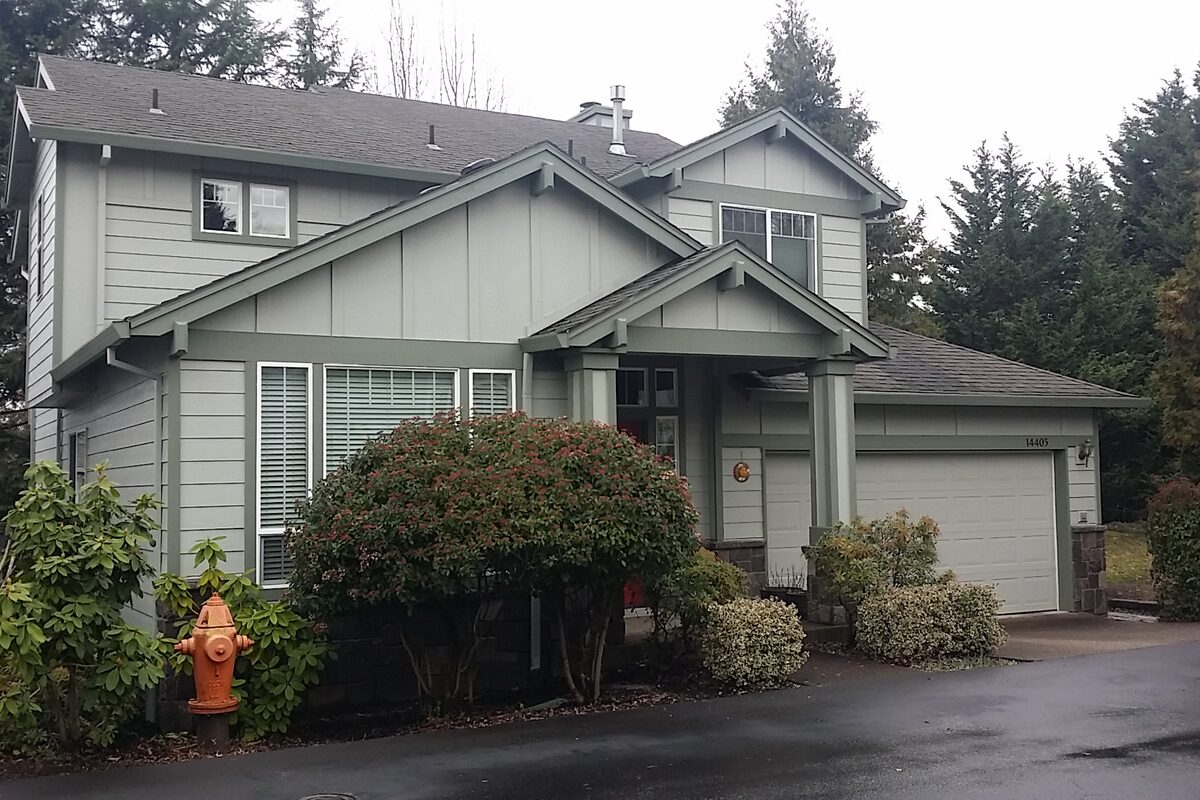
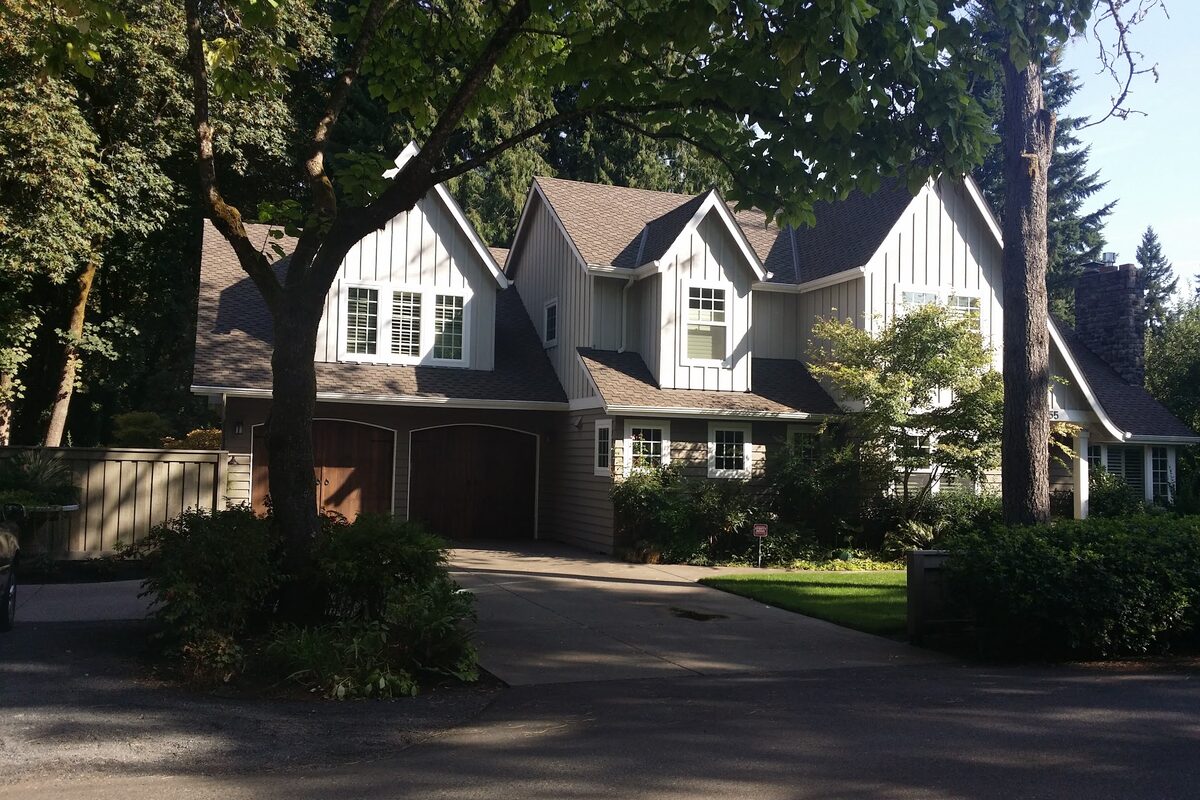
Gray-green painted lap siding on a house with white trim

Hot Summers, Heavy Storms and Spring Pollen

NOAA's 1991-2020 normals for Charlotte show 43.6 inches of rain on about 112 days a year and July highs near 90°F. Sun fades and chalks the south and west walls; storms and humidity grow mildew on the shaded north side.

Spring adds the yellow pine pollen that coats everything in March and April. Paint does not bond to pollen or red clay splash, so we wash the house right before painting and time exterior work around the dry stretches. See the best months to paint outside here.

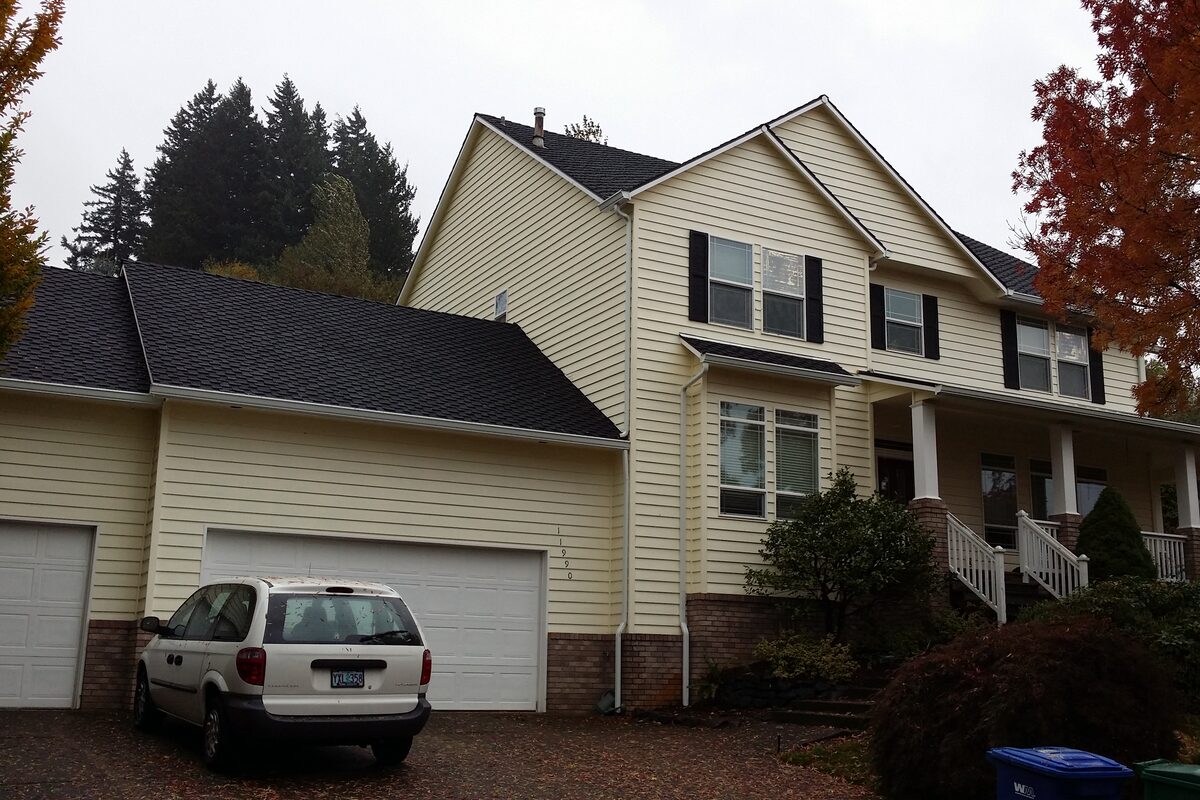
Cream-painted two-story house with white trim and attached garage

HOA Neighborhoods and Color Rules

Most subdivisions around Matthews, Stallings and Indian Trail have an HOA with architectural rules in its recorded declaration, and many require approval for any exterior color change. Some also send notices when trim or doors are peeling.

We help you put together the color names, sample photos and scope the architectural committee asks for before we book. HOA color approval explains the usual steps, and commercial painting covers HOA common areas.

Matthews Housing & Paint Data

How old the homes are, what kind of buildings they are, and the weather paint has to survive, compared with Mecklenburg County and North Carolina.

When the homes were built: share of housing units by year built
Matthews Town17%45%37%
Mecklenburg County23%30%45%
North Carolina29%31%35%
  • Before 1940
  • 1940 to 1979
  • 1980 to 1999
  • 2000 and later
Housing stock: Matthews Town vs Mecklenburg County vs North Carolina (ACS 2020-2024 5-year estimates)
MeasureMatthews TownMecklenburg CountyNC
Population30,5771,154,68110,730,404
Housing units12,588503,0714,895,668
Median year built199419971991
Built before 1980 (closest Census cut to the 1978 lead-paint line)18.1%24.8%33.9%
Built 1980 to 199945.4%29.9%30.9%
Built 2000 or later36.6%45.3%35.1%
Built 2010 or later20.9%23.2%16.5%
Single-family detached61.9%54.8%65.3%
Attached homes (townhouses, twins)3.8%8.8%4.8%
Apartments and condos (2+ units)33.6%34.9%18.9%
Owner-occupied64.4%55.1%66.6%
Median home value$445,100$406,800$288,900

Painting weather (NOAA 1991-2020 normals, Charlotte Douglas Airport)

Rain
43.6 in a year, on 112 days
Wettest month: August, 4.35 in
Temperature
July average high 90.3°F, January average low 31.8°F
58 nights a year below freezing, most from December to February

What this means for painting in Matthews

  • 18.1% of homes here were built before 1980 (24.8% across Mecklenburg County). Paint in homes built before 1978 may contain lead, so scraping or sanding it is done by a North Carolina certified lead-safe firm using containment and cleanup.
  • 45.4% of homes were built from 1980 to 1999. Houses of that age are on their second or third paint job, often with hardboard siding and finger-jointed trim that swell where water gets past the paint, so we probe sills, frames and siding edges before quoting.
  • 37.3% of homes are townhouses, condos or apartments. Exterior paint on those buildings is usually an HOA or management decision, so owners there mostly call us for interiors, cabinets and drywall.
  • NOAA records about 112 days of measurable rain a year at Charlotte Douglas, with August the wettest month. Exterior work is scheduled around dry stretches, and wood is checked for moisture before primer goes on.

Sources: U.S. Census Bureau, American Community Survey 2020-2024 5-year estimates, tables B01003, B25001, B25003, B25024, B25034, B25035 and B25077 (profile); NOAA U.S. Climate Normals, 1991-2020, station USW00013881. ACS figures are survey estimates with margins of error, and small places have wider margins. The Census year-built table breaks at 1980, not 1978, so "built before 1980" slightly overstates homes covered by lead-paint rules.

EPA Lead-Safe Rules

EPA Lead-Safe Rules:
DIY or Hire a Certified Firm?

Hire a certified lead-safe firm when a home built before 1978 needs scraping, sanding or demolition of painted surfaces beyond small repairs. Homeowners may work on their own home, but the same dust hazards apply. Three numbers from the U.S. Environmental Protection Agency (EPA) decide the answer.

Painter preparing window trim on an older exterior wall
Scraping old trim on a pre-1978 house falls under lead-safe rules.

Source: EPA, Renovation, Repair and Painting Program, administered in North Carolina by NC DHHS. Not sure when your house was built? Call (980) 243-8188.

1978

The Pre-1978 Rule

Lead-based paint was banned for homes in 1978. In housing built before then, paid work that disturbs painted surfaces must be done by a certified firm using lead-safe practices: containment, no open-flame burning or high-speed sanding without controls, and a cleaning check at the end. In North Carolina, the NC DHHS Health Hazards Control Unit certifies those firms.

6 / 20 sq ft

Small Jobs Under the Threshold

The rule's minor repair exception covers disturbing less than 6 square feet of paint per room inside, or 20 square feet outside. Window replacement and demolition are never minor. A full exterior repaint of a pre-1978 house almost always goes over the 20 square foot line once scraping starts.

Firm

Check the Certification

Ask any painter working on a pre-1978 home for their North Carolina firm certification and the name of the certified renovator on site. You can look up firms on the NC DHHS lead program site. Leftover chips and dust are cleaned with HEPA vacuums and wet wiping, not dry sweeping.

Surface Condition

The 3 Paint Conditions Every Estimate Should Name

Every painted surface is in one of three conditions, and the condition decides the prep. An estimate that does not say which condition each side or room is in, and what prep it gets, is missing the line that decides how long the paint lasts.

  1. Condition 1

    Sound paint

    The old paint is tight, with no peeling or chalk, only dirt, scuffs or a color you want to change. This is most interior walls and well-kept exteriors 5 to 8 years after the last job.

    What it needs: Clean, scuff-sand glossy areas, spot-prime repairs, and two finish coats.

  2. Condition 2

    Surface wear

    The paint is chalking, fading, or has fine surface cracks and failed caulk, but it is still bonded to the wood or siding. This is the typical sunny-side exterior after 8 to 10 years.

    What it needs: Wash with a cleaner, recaulk, prime chalky or bare spots with a bonding primer, then two coats.

  3. Condition 3

    Failure to the substrate

    Paint is peeling to bare wood, alligatoring, or sitting on soft or rotted wood. This always has a cause: water, missing primer, or incompatible old coatings.

    What it needs: Scrape and sand to a sound edge (lead-safe on pre-1978 homes), replace rotted wood, prime all bare areas, then two coats.

Read the full guide: why exterior paint peels.

Touch-Up vs Full Repaint

A touch-up fixes a spot; a repaint resets the whole surface. Touch-ups work on newer paint you still have the can for, and rarely work on faded or chalky walls.

Touch-upFull repaint
Question it answersCan this mark or repair blend in?Does the whole surface need new paint?
What happens on siteSpot-clean, patch, spot-prime and dab or roll the area in the original paintFull prep, primer where needed, and two coats corner to corner or side to side
When it worksPaint less than a few years old, same can or exact formula, same sheenFaded, chalky or peeling paint, color changes, or many repairs on one wall
What you getA small area that blends if conditions are rightEven color and sheen across the whole wall or side of the house
Will it show?Often on flat or faded walls, which is why we test firstNo, when the whole surface gets the same coats

Go deeper: when you need primer · sheen guide · how long paint lasts · our interior service

Painting Services

Our House Painting
Services in Matthews

Our work runs from one-room interior repaints to full exteriors with wood repair. Each service covers a different part of the house: walls and ceilings, siding and trim, cabinets, decks and fences, or the drywall and wood under the paint. Every job starts with an on-site estimate and a written scope.

Not sure which service you need? Call (980) 243-8188

Who We Work With

  • Homeowners Room repaints, full exteriors, cabinets and decks, often under HOA color rules.
  • Landlords & property managers Rental turnovers on a move-in date, with durable finishes and standard colors.
  • Businesses Offices, shops, restaurants and medical spaces, painted after hours or in phases.
  • HOAs & builders Clubhouses, fences, railings and common areas, plus touch-up and punch-list work.
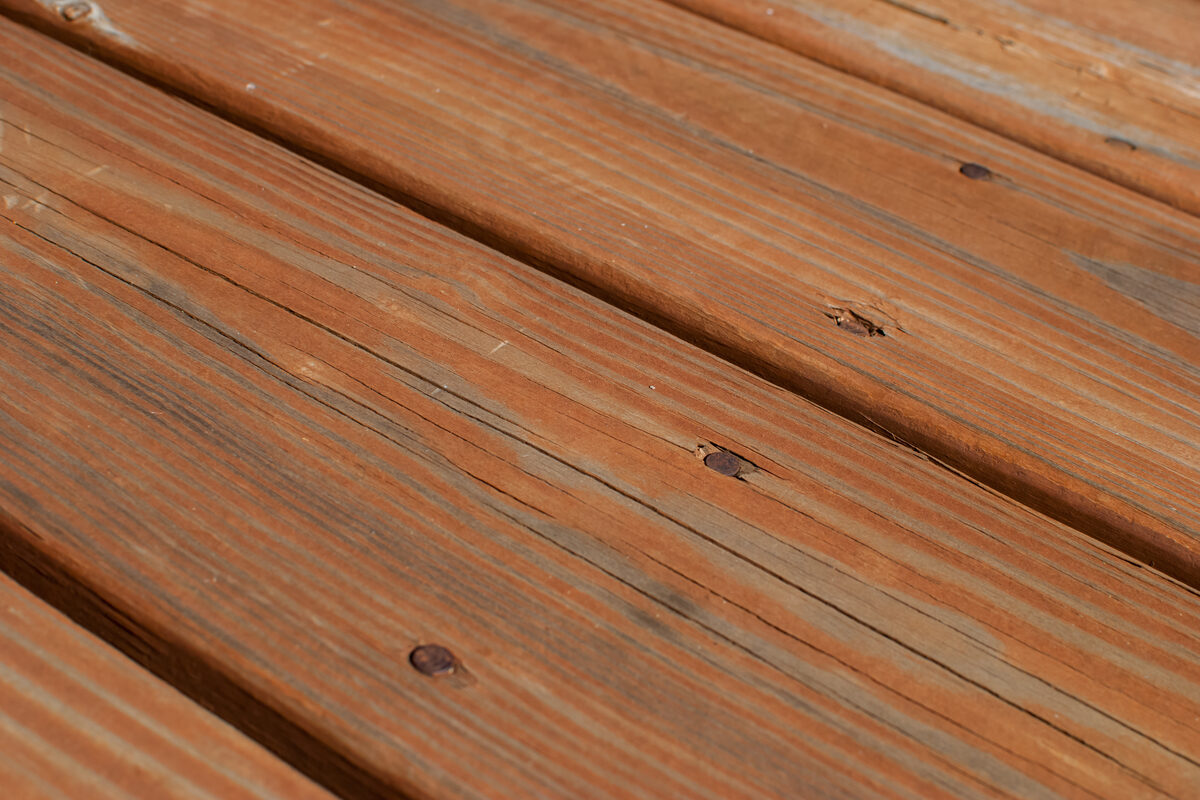
Close-up of stained wood deck boards

Deck & Fence Staining

Decks, fences, pergolas and porches cleaned, brightened, repaired and stained with a penetrating product suited to pressure-treated pine and full sun.

Explore Service
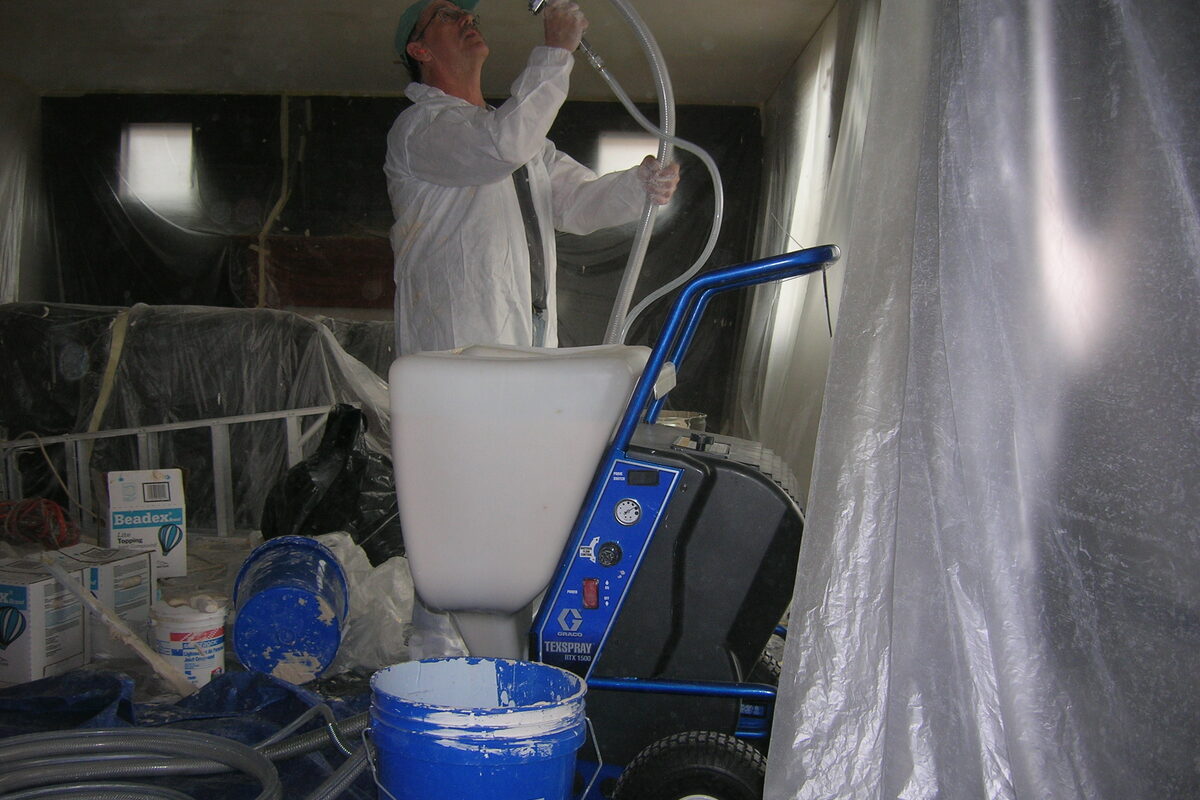
Painter in coveralls using an airless sprayer in a masked room

Commercial Painting

Offices, storefronts, restaurants, HOA common areas and apartment turnovers, painted after hours or in phases so the business keeps running.

Explore Service

More services: Wood Rot & Trim RepairPopcorn Ceiling RemovalPressure & Soft Washing All services →

Peeling Trim? Call Before the Next Storm.

Bare wood takes on water with every rain. Call, tell us what you see and where, and book an on-site estimate for house painting in Matthews.

On-site estimate (980) 243-8188
5-Step Process

How Our 5-Step Process Works
(Prep First, Paint Last)

Every job moves through a walkthrough, protection, repair and prep, two finish coats, and a final walkthrough, following the paint maker's label and lead-safe rules on older homes. Most rooms take a day; most exteriors take three to six working days. Read the full process.

  1. Step 1: Walkthrough, Colors & Written Scope

    An estimator walks every room or side of the house, probes soft wood, notes repairs, and writes down surfaces, products, colors, sheen and coats. You get the scope and price in writing. How to read a painting estimate.

  2. Step 2: Protect the House and Yard

    Furniture moved and covered, floors and counters protected, plants wetted and covered outside, and switch plates, hardware and fixtures removed and bagged.

  3. Step 3: Wash, Repair, Caulk & Prime

    Exteriors are washed and dried; loose paint scraped, rotted wood replaced, drywall patched, joints caulked, and every bare or stained spot primed. Lead-safe practices on homes built before 1978.

  4. Step 4: Two Finish Coats

    Ceilings, walls, then trim and doors inside; body, trim, then doors and shutters outside. Each coat goes on within the temperature and recoat times on the label.

  5. Step 5: Walkthrough & Touch-Up

    We walk the job with you in daylight, mark and fix anything you see, clean up, reset furniture, and leave labeled paint for future touch-ups.

Guidance & Business Details

Find the Right Starting Point

Choose a service by the problem you need to solve, then check the guidance and business details behind the proposed work.

Read the Relevant Guidance

Choose Your Next Step

Business Details You Can Check

Owner
Matthews Painting Pros, Owner & Founder. Meet the team.
Office and contact
250 N Trade St, Matthews, NC 28105. (980) 243-8188 · info@matthewspaintingpros.com. Office and contact details.
Written warranty
Every completed painting job comes with a 2-year written workmanship warranty. Read coverage, exclusions and how to claim.
Contractor documentation
Ask for a certificate of liability insurance, proof of workers' compensation where the law requires it, and for homes built before 1978 the lead-safe firm certification. Check North Carolina lead-safe firm certification.
Your job documentation
Request a written scope listing surfaces, prep steps, products, colors, sheen and number of coats. Use the written-estimate checklist.
Why Us

Why Homeowners
Choose Matthews Painting Pros

Matthews Painting Pros is based in Matthews and works with local homes, HOAs and businesses. Our process starts with an on-site estimate and a written scope, prep is listed line by line, and completed jobs carry our 2-year written warranty. Check the company details and ask for the documentation for your job.

A Local Matthews Crew, Not a Lead Broker

Calls to (980) 243-8188 reach our Matthews office, not a referral line that sells your number to several contractors. The person who gives your estimate knows local houses: hardboard siding, HOA color rules and clay splash on the lower boards. More about our crew.

Prep You Can See on Paper

Most paint failures come from skipped prep, so our scope lists it: washing, scraping, which boards get replaced, caulk, primer, products and number of coats. If a wall or side of the house needs something extra, it is in writing before we start.

Talk to a local painter in Matthews, NC Matthews, NC 28105 · Mon-Sat 7 AM-6 PM · On-site estimate
Call (980) 243-8188

No Low-Ball Bids or One-Coat Shortcuts

A cheap bid usually means skipped prep or one coat. Paint over dirt, pollen or soft wood fails early, and one coat of a new color rarely covers evenly. We price the prep and the second coat in.

What we don't do
  1. Paint over peeling, chalk or pollen without washing
  2. Quote a price before seeing the house
  3. Cover rotted wood with filler and paint
  4. Skip primer on bare wood and patches
  5. Leave without a walkthrough
What we do
  1. Explain the condition of each surface in plain language
  2. Wash, scrape, repair and caulk before painting
  3. Give a written scope and price after the estimate
  4. Apply two finish coats with label temperatures
  5. Walk the job with you and fix what you see
National Planning Benchmarks

How Much Does
House Painting Cost?

Use published national cost ranges to plan a budget for a Matthews-area home. We have not published a verified Matthews local average or a survey of completed local jobs. Your price comes from an on-site estimate and a written scope. Our cost guide explains sources, assumptions and the 8 factors that change a quote.

HomeAdvisor

$1,819-$4,551 typical exterior project

National average $3,178; $1.50-$4 per sq ft

Publisher date: 2026-06-17. Checked 2026-11-04.

HomeGuide

$3,000-$10,000 exterior, 2,000 sq ft house

$1.50-$5.00 per sq ft of paintable surface

Publisher date: 2025-07-09. Checked 2026-11-04.

These publishers cover different project mixes. Their figures stay separate; we have not averaged them or applied a Matthews price multiplier. The tier cards and the area table below use HomeGuide's national job examples, rather than company package prices.

One Room

$300-$1,000

walls only, average bedroom or living room

  • Walls of one room, two coats
  • Confirm whether ceiling and trim are included
  • Confirm drywall patching and primer
  • Ask about the minimum job fee
See My Price

Full Interior

$2,900-$8,800

whole house interior, walls, ceilings and trim

  • Every room, walls and ceilings
  • Ask whether trim and doors are included
  • Separate drywall and texture repairs
  • Confirm the color and sheen schedule
See My Price

National Cost Examples by Part of the House

AreaNational benchmarkScope to confirm
Interior room$300-$1,000HomeGuide, walls only; $600-$2,000 with ceiling and trim.
Whole interior$1,300-$6,300HomeGuide all rooms; trim, doors and ceilings change it a lot.
Exterior (2,000 sq ft)$3,000-$10,000HomeGuide; siding type, stories and repairs move it.
Kitchen cabinets$2,000-$6,500HomeGuide average kitchen; $70-$125 per door.
Deck$600-$2,000HomeGuide paint or stain; stripping old coatings is extra.
Fence$300-$2,800HomeGuide $1-$3 per sq ft; height, length and both sides.
Drywall patch$300-$800+HomeGuide small to large holes; minimum job fees apply.
Popcorn ceiling removal$2-$6 per sq ftHomeGuide with refinishing; asbestos test $250-$850.
House washing$170-$360HomeGuide; included when part of an exterior paint job.

Planning assumptions: national figures include labor and materials as each publisher defines them. Wood rot repair, lead-safe containment, color changes from dark to light, high ceilings and two-story access all add cost and need explicit line items.

Worked example: for 2,500 sq ft of exterior paintable surface, HomeAdvisor's $1.50-$4 rate gives $3,750 to $10,000; HomeGuide's $1.50-$5.00 gives $3,750 to $12,500. These are separate area-times-rate illustrations, not a quote. See the calculation assumptions and exclusions.

What Affects Your Painting Price

Two houses of the same size can land far apart on price. These are the things that move it, and our cost guide goes through each one in detail:

  1. Paintable surface area. Square feet of walls, siding and trim, not the home's floor area, drive labor and paint.
  2. Height and access. Two-story walls, steep lots, and tall foyers mean ladders, planks or lifts and slower work.
  3. Surface condition. Sound paint needs cleaning; peeling or chalky paint needs scraping, sanding and primer.
  4. Repairs. Rotted trim, swollen siding, drywall holes and cracks are carpentry and patching before paint.
  5. Color change. Going from dark to light or to a deep color can add a primer coat or a third coat.
  6. Trim, doors and detail. Windows, shutters, railings and crown molding take more brush time than open walls.
  7. Age of the home. Homes built before 1978 need lead-safe setup and cleanup wherever paint is disturbed.
  8. Product and sheen. Premium exterior acrylics and cabinet enamels cost more per gallon and last longer.
📞 Get an On-Site Estimate
HOA & Painting

Do You Need HOA Approval
to Paint Your House in Matthews?

Usually yes for an exterior color change, and sometimes even for the same colors. Most subdivisions in Matthews, Stallings, Indian Trail and Weddington have recorded declarations that give an architectural committee control over exterior appearance. Interior work never needs HOA approval. Your declaration and the committee's guidelines are the rules that apply.

Usually needs approval

  • Changing the body, trim, door or shutter color
  • Painting brick, stone or other unpainted masonry
  • Staining a fence or deck a new color, in some neighborhoods
  • Repainting in the same colors, where the guidelines say so

Usually does not

  • Interior painting of any kind
  • Touch-ups in the existing approved color
  • Caulking and wood repair in matching color
  • Washing the house or deck
  • Cabinet and drywall work

5 steps to get approval

  1. Find the architectural guidelines and the approved palette, if there is one.
  2. Pick colors and get the exact names and codes from the paint maker.
  3. Photograph the house and paint large samples on a wall that gets sun.
  4. Submit the form with colors, photos and our written scope.
  5. Wait for written approval before the first coat goes on.

Approval timelines vary from a few days to a month. We provide the scope, color list and sample photos many committees ask for. See HOA paint color approval in Matthews for the details.

North Carolina Rules

North Carolina Painting Rules
Property Owners Should Know

Check these 7 topics when planning a painting job: contractor licensing, lead-safe certification, cancellation rights, disclosure, HOA rules, historic districts, and permits and disposal. Official references appear beside each topic; requirements depend on the property and the scope.

No Painting License, but a $40,000 Line

North Carolina has no separate painting license. The NC Licensing Board for General Contractors requires a general contractor license when a single project's total cost is $40,000 or more, and splitting one job into smaller contracts does not avoid it. Below that, ask for insurance certificates and references.

Three-Day Cancellation for Home Sales

Under North Carolina's Home Solicitation Sales Act, when a contract is signed at your home after a seller solicits you there, you can usually cancel in writing until midnight of the third business day after signing. Emergency work you request in a separate writing is an exception.

HOA Architectural Rules

In planned communities, the recorded declaration and the association's rules control exterior changes, including paint color. North Carolina's Planned Community Act governs how associations operate. Get approval in writing before painting.

Historic Districts and Landmarks

Local historic district rules can cover exterior changes, and North Carolina law lets each local board decide whether color is reviewed. Charlotte has its own Historic District Commission; for a property in Matthews, ask the Town's planning staff whether it is a designated landmark or in a district.

References checked 2026-11-04. Use the linked agencies for current requirements and property-specific decisions. Full guide: North Carolina painting laws.

Maintenance

Paint Maintenance Checklist for Mecklenburg County Homes

Paint lasts longest when water and dirt stay off it. These are the checks that catch most problems before they become a repaint or a carpentry bill. Print it, or keep it on the fridge.

Every spring (after pollen)

  • Rinse pollen off siding, porch ceilings and the deck once the yellow dust settles.
  • Walk the house and look for peeling at sills, door frames and the bottom of siding.
  • Check caulk at window and door corners and recaulk any open joints.
  • Clean gutters so overflow does not soak fascia and siding.

Summer (June to September)

  • Wash mildew off north walls and soffits before it stains.
  • Keep sprinklers from hitting siding, doors and fences.
  • Trim shrubs so they sit at least a foot off the siding.
  • Check the deck: if water soaks in instead of beading, plan to restain.

Fall

  • Book exterior painting for September to early November, when the weather is mild.
  • Probe soft spots on trim with a screwdriver before winter rain.
  • Touch up chipped trim and doors while temperatures are above the label minimum.

Winter

  • Plan interior painting; it is the easiest time to book.
  • Watch for new nail pops and corner cracks as the heat dries the framing.
  • Store leftover paint where it will not freeze.

After a storm or leak

  • Look for water stains on ceilings and walls; fix the leak before painting over them.
  • Check gutters, downspouts and splash blocks.
  • Photograph any damage for insurance before repairs.

Related: mildew on siding · pollen season · caulk guide · how long paint lasts

38 Service Areas · Matthews, NC

Where We Work
Matthews and Nearby Towns

We are based in Matthews, NC 28105, and service extends beyond ZIP 28105. We serve the town, its neighborhoods, and the listed surrounding communities, from Mint Hill and Stallings to Waxhaw, Charlotte neighborhoods and Fort Mill. See all locations and their page links on our service areas page.

Matthews Painting Pros 250 N Trade St, Matthews, NC 28105 (980) 243-8188 · Mon-Sat 7 AM-6 PM
Get directions
Further Reading

58 Painting Guides for Matthews-Area Homes

Plain answers to the specific questions people ask before they call a painter. Start with the one that matches what you are seeing.

Browse all guides on the blog · House painting cost guide

Common Questions

Frequently Asked Questions
About House Painting

9 questions Matthews homeowners ask before hiring a painter. Answers to more questions are on our painting FAQ page, and longer guides live on the painting blog.

How long does it take to paint a house?

A single room takes one day; a full interior takes three to seven days; most two-story exteriors take three to six working days plus a drying day after washing. Wood repairs, color changes and rain add time.

How often should a house in Matthews be repainted?

Exterior siding usually needs paint every 7 to 10 years here, and trim every 5 to 7, sooner on south and west walls. Interior walls in busy rooms often need it every 5 to 7 years.

What is the best time of year to paint outside?

Late spring after the pine pollen settles, and September through early November. Summer works with early starts that avoid direct afternoon sun; winter work depends on mild days above the label minimum.

Do I need HOA approval to paint my house?

For an exterior color change, almost always. Check your neighborhood's architectural guidelines and get approval in writing before painting starts.

My house was built before 1978. Does that matter?

Yes. Paint may contain lead, so scraping or sanding must follow EPA and North Carolina lead-safe rules by a certified firm. Ask for the firm's certification.

Do you use primer on every job?

Primer goes on bare wood, repairs, stains, glossy surfaces and big color changes. Sound painted surfaces in a similar color usually get two finish coats without primer.

How many coats of paint do I need?

Two finish coats is our standard. One coat rarely gives even color or full film thickness, especially outside.

Do I have to be home while you paint?

Not for exteriors. For interiors, someone should be there at the start and for the final walkthrough; you can stay in the house while we work room by room.

What if I cannot afford to paint the whole house right now?

We can phase the work: repair and prime failing trim and the worst sides first, then paint the rest next season. Fixing bare wood before winter is the priority.