
How to Test Paint Colors: Large Samples, Daylight and Every Wall of the Room
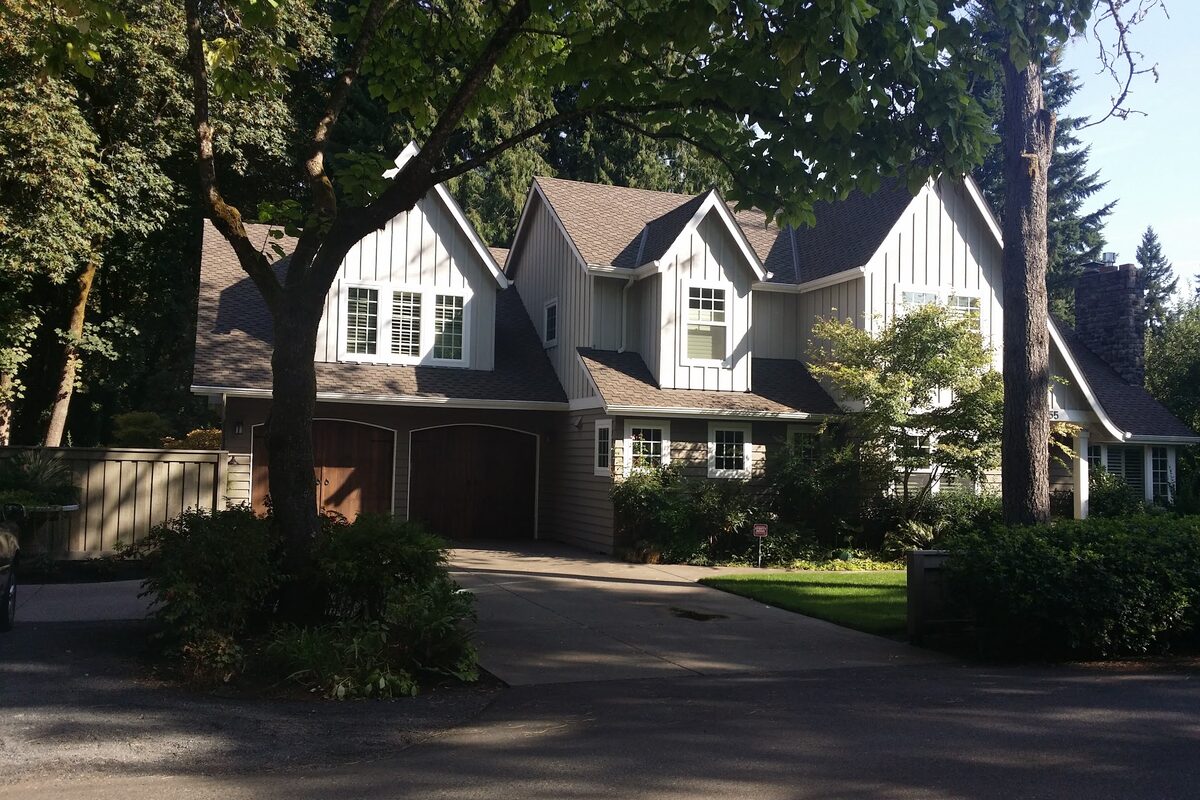
A paint chip is too small to show how a color will look on a whole wall, so test with large samples in the room or on the house before you commit. Color changes with the light, the size of the surface and the colors around it.
Go Big
Paint samples at least two feet square, or use large peel-and-stick samples. Put them on more than one wall: a color on a sunny wall can look completely different on the wall next to the window.
Look at Different Times
Check samples in the morning, at midday, in the evening and under your lamps. North-facing rooms get cool, even light that can make colors look grayer; south-facing rooms get warm light that brightens colors.
Look Against Your Fixed Finishes
Hold samples next to flooring, countertops, cabinets, brick and roofing. Undertones that clash show up next to things you are not changing.
Exterior Colors
Outdoor light is much brighter, so exterior colors look lighter than the chip. Paint large samples on the siding, on a sunny side and a shaded side, and look from the street. Many HOAs ask for color names and codes and sometimes photos of samples on the house.
Sheen Changes Color
The same color looks a little darker and richer in higher sheens. Test in the sheen you will use.
Frequently Asked Questions
How many colors should I sample?
Two or three finalists, side by side, is usually enough.
Should I paint samples on white or on the existing color?
On the existing wall is fine, but surround the sample with white or use sample boards so the old color does not skew it.
Why does the color look darker on the wall?
Large areas intensify color, and the sheen and lighting matter too.
Can you help choose colors?
Yes. We bring samples to the estimate and help narrow choices.
Ready to Pick Colors?
We help test colors and put the final list in the written scope. See interior painting or contact us.