
Wash & Mildew Treatment
Siding and trim washed at low pressure with a mildewcide, so dirt, pollen and mildew come off and paint can bond to the surface.
Siding, trim, soffits, doors and shutters, prepped the way the weather here demands: washed, scraped, rotted wood replaced, gaps caulked and bare spots primed before two finish coats.
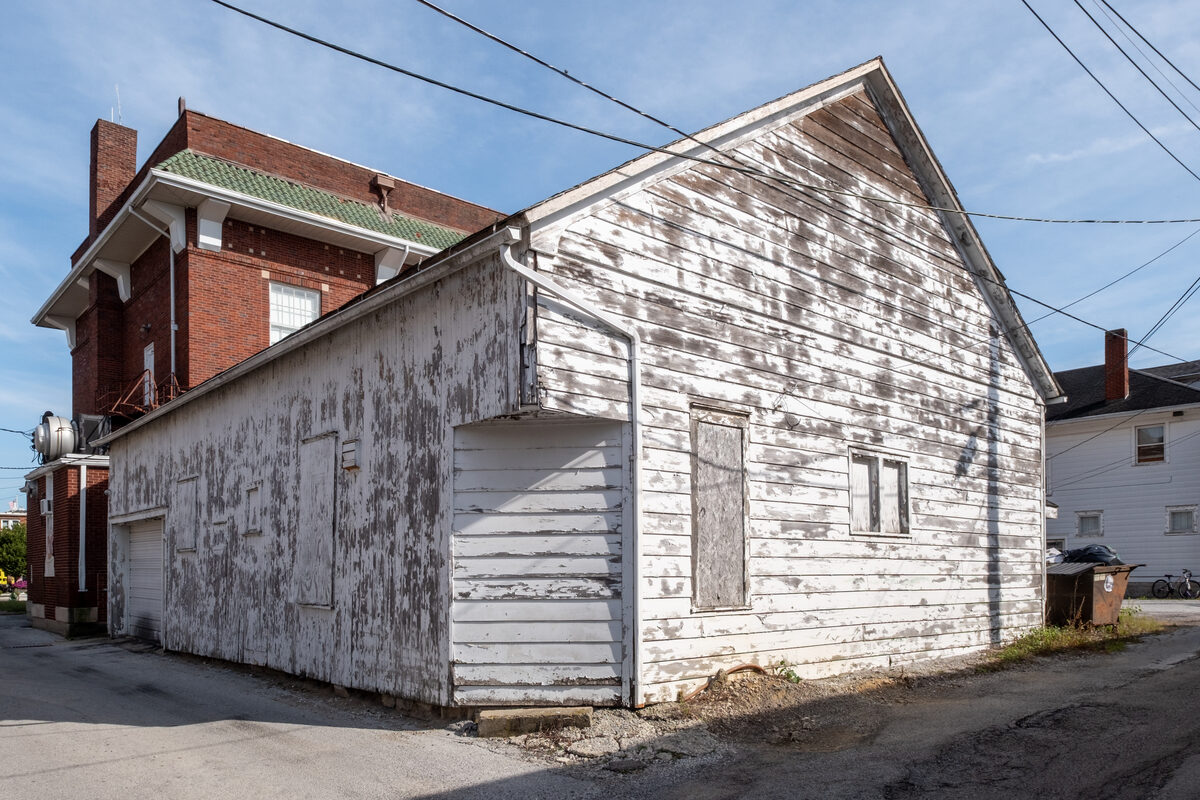
Paint on the south and west sides of a house usually fails first, because that is where the sun and the summer storms hit hardest. Walk around the house and look for these.
An exterior paint job is mostly preparation. These are the steps every quote should list, and the ones we write into ours.
Siding and trim washed at low pressure with a mildewcide, so dirt, pollen and mildew come off and paint can bond to the surface.
Loose paint scraped and edges feathered by sanding. On homes built before 1978 this follows lead-safe containment and cleanup.
Soft sills, fascia, corner boards and siding bottoms replaced with new wood or PVC trim before they are painted over.
Failed caulk cut out and replaced with a paintable sealant, and bare wood and repairs primed so the finish coats have something to hold.
Two coats of exterior acrylic on siding and trim, brushed and rolled or sprayed and back-rolled, applied inside the temperature range on the label.
We walk the house with you, touch up anything you see, clean up paint chips and debris, and leave labeled paint for future touch-ups.
Got peeling trim or soft wood? Do not let it go another winter; call and we will look at it.
📞 Call (980) 243-8188Charlotte averages 43.6 inches of rain a year spread over about 112 days, with July highs near 90°F, according to NOAA's 1991-2020 climate normals. That combination of hot sun, heavy summer storms and long humid stretches is hard on paint. South and west walls fade and chalk; shaded north walls grow mildew; and wood trim that loses its paint takes on water fast.
Spring brings a second problem: the yellow pine pollen that coats everything in March and April. Paint applied over pollen does not bond, so we wash right before painting and watch the forecast. Red clay splashed up by rain stains the bottom course of siding and has to be scrubbed off, not painted over.
Most Matthews houses are vinyl, fiber cement, brick or the hardboard siding common on 1980s and 1990s builds. Hardboard swells and softens at the bottom edges when water gets past the paint, so we check those edges on every house of that age and seal or replace them before painting. On homes built before 1978, scraping follows EPA lead-safe practices and North Carolina's certified-firm rules.
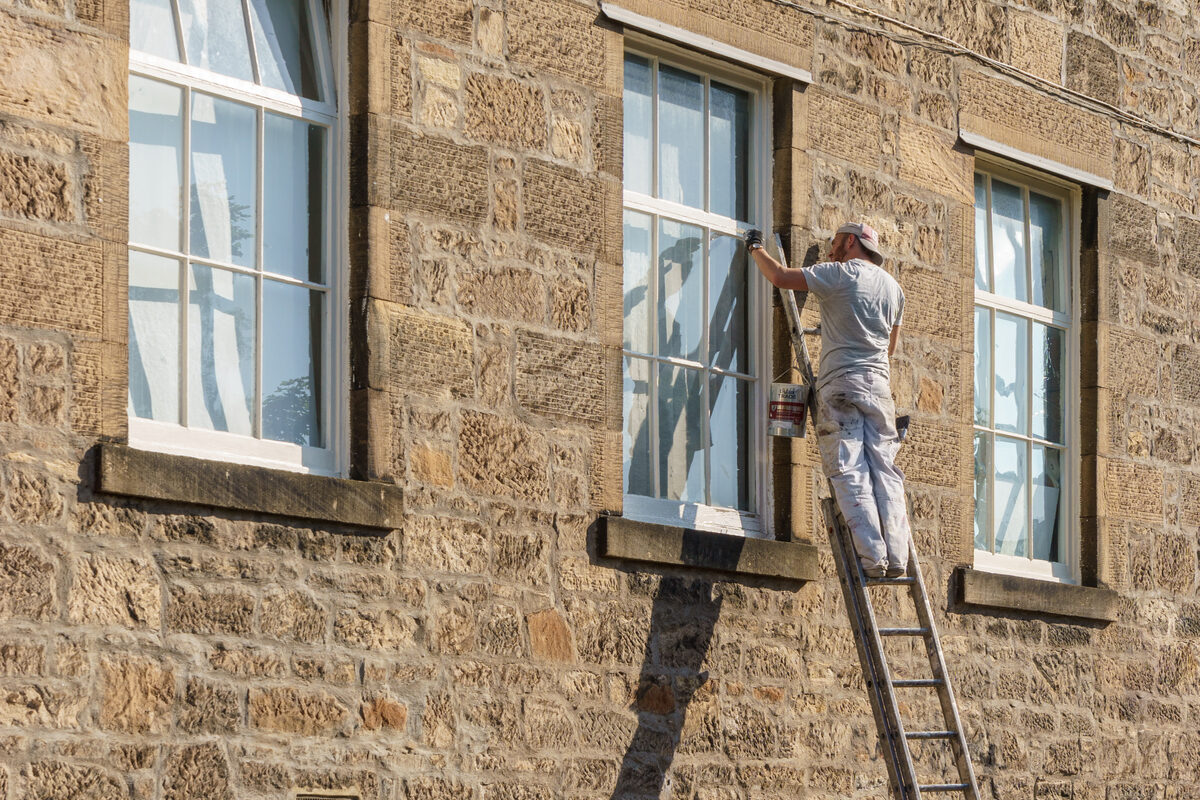
We do not open a can until the house is clean, dry, repaired and caulked. Weather sets the schedule; we would rather move a day than paint over damp wood.
We check every side, probe soft wood, note colors and sheen, and confirm any HOA approval you need. The scope and price come in writing.
Low-pressure wash with mildewcide, then at least a day of drying. Plants and walkways are covered or wet down to protect them.
Rotted wood replaced, loose paint removed, gaps sealed and bare spots primed. Lead-safe practices on pre-1978 homes.
Body, trim, doors and shutters in order. We walk the house with you, touch up, and clean up every chip.
Ready for step one?
Call (980) 243-8188Ask which boards will be replaced, what gets primed, how the house will be washed, and what the product and color list is for each surface.
Explains the lead-safe rules that apply when painting work disturbs paint in homes built before 1978.
North Carolina certifies renovation firms itself; check the firm before work starts on a pre-1978 home.
Pollen, heat, humidity and label temperatures by month.
Repair before paint, or the rot keeps spreading.
What to send the architectural committee and when.
National benchmarks by house size and siding.
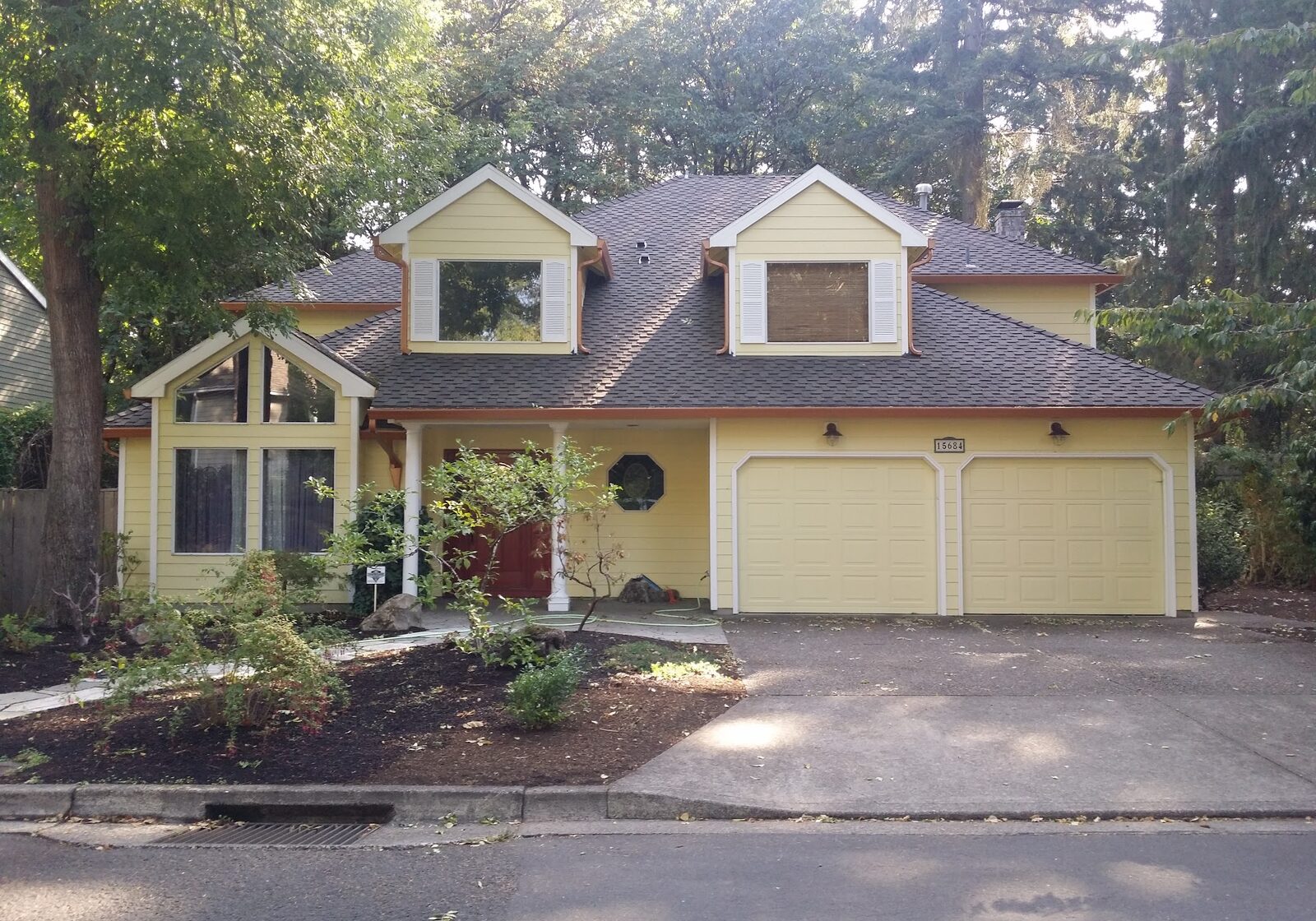
The paint is the last 20% of an exterior job. Washing, repair and caulk decide how long it lasts, so our crews write every prep step into the scope.
Straight answers on cost, timing, weather and HOA approval.
Exterior painting is priced after we walk the house, because siding type, height, repairs and trim detail matter as much as size. National benchmarks: HomeAdvisor reports an average of $3,178 and a typical range of $1,819 to $4,551 (updated June 2026); HomeGuide gives $3,000 to $10,000 for a 2,000 sq ft house (July 2025). Neither is a Matthews average.
Read the cost sources and what changes an exterior quote.
Question about your property? Call (980) 243-8188Late spring after the pine pollen settles, and September through early November, when temperatures are mild and the air is drier. Summer works with early starts that avoid painting in direct afternoon sun. Winter painting is possible on mild days if the surface and air stay above the label minimum through the drying period.
Question about your property? Call (980) 243-8188Three to six working days for most two-story homes in Matthews, plus a drying day after washing. Rain days and wood repairs add time.
Question about your property? Call (980) 243-8188Usually 7 to 10 years on siding and 5 to 7 on trim, depending on sun exposure, the product, and how well the surface was prepared. South and west sides wear out first.
Question about your property? Call (980) 243-8188Yes, with a paint made for vinyl. The color you choose matters: going much darker than the original can make vinyl warp in the sun, so we check the paint maker's vinyl-safe color list.
Question about your property? Call (980) 243-8188If you are changing colors, almost always. Many Matthews and Union County neighborhoods require architectural review even for repainting in the same color. Send the committee your color names and samples before booking.
Question about your property? Call (980) 243-8188We wash at low pressure with a cleaner and mildewcide. High pressure can force water behind siding and into old wood, and that water has to dry before we can paint.
Question about your property? Call (980) 243-8188No, as long as we can reach outdoor water and power and the gates are unlocked. Keep windows closed on the side being painted, and move cars away from the house on spray days.
Question about your property? Call (980) 243-8188Tell us the siding type, the number of stories, and where the paint is failing. We will walk the house, probe the soft spots, and give you a written scope and price.