
Chalking Paint Explained: The Powder on Your Siding and What to Do About It
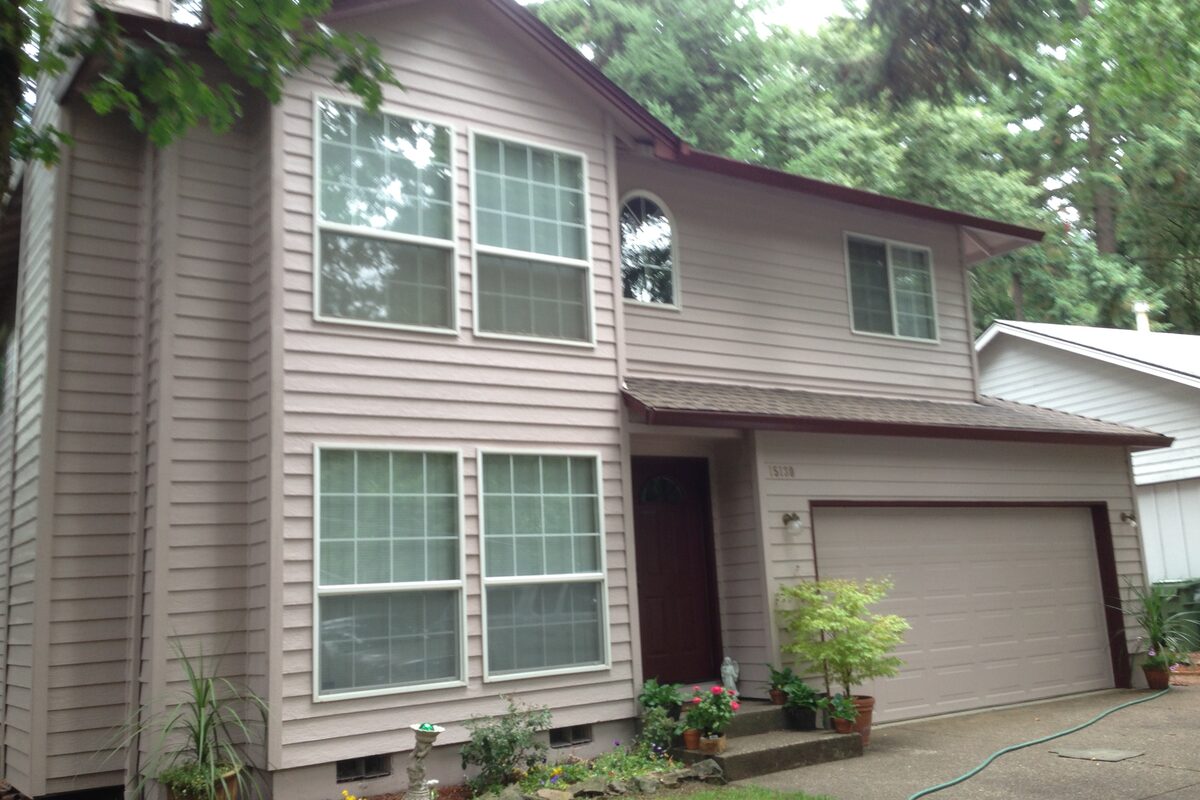
Chalking is a fine powder on the surface of old exterior paint, left behind as sunlight breaks down the paint's binder. A little chalking is normal as paint ages and helps the surface self-clean. Heavy chalking means the film is wearing thin, and painting over it without cleaning makes the new coat peel.
The Hand Test
Rub your palm or a dark cloth across the siding on the south or west side of the house. If it comes away with a white or colored powder, the paint is chalking. Compare a shaded wall; the difference shows you how much the sun has worn the paint.
Why It Happens
Paint is pigment held together by a binder. Ultraviolet light slowly breaks the binder down at the surface, freeing pigment as loose powder. Sunny sides chalk first. Lower-quality paints, and some older paints made to chalk deliberately, chalk faster. Darker and brighter colors often show it more because the loose pigment lightens the look of the wall.
Problems It Causes
- Peeling after a repaint. New paint sticks to the chalk instead of the old film, then lifts off.
- Streaks. Rain washes chalk down onto brick, stone and lower siding, leaving pale streaks.
- Faded color. The house looks washed out even though the paint is still there.
How to Deal With It Before Painting
- Wash it off. A cleaner, a soft brush and a low-pressure rinse remove most chalk. Test by rubbing again when the wall is dry.
- Let it dry. Painting on damp siding traps water.
- Prime if needed. If chalk remains after washing, a bonding primer made for chalky surfaces binds what is left so the finish coats can grip.
- Two finish coats. A quality acrylic with good fade resistance slows the next round of chalking.
Chalk streaks on brick below painted trim usually come off with a brush and a masonry cleaner; heavy streaking may need repeated cleaning.
Frequently Asked Questions
Is chalking a sign of bad paint?
Not always. All exterior paint chalks eventually. Heavy chalking after only a few years points to a lower-grade product or a lot of sun.
Can I power wash chalk off?
Low-pressure washing with a cleaner works. High pressure can damage siding and push water behind it.
Do I need primer over chalky paint?
If chalk remains after washing, yes, a bonding primer for chalky surfaces.
Will new paint stop chalking?
It resets the clock. A quality acrylic in a fade-resistant color slows it down.
Chalky Siding?
We hand-test every side of the house during an estimate and write the wash and primer steps into the scope. See exterior painting or contact us.