
Why Exterior Paint Peels: Moisture, Dirt, Chalk and Missing Primer
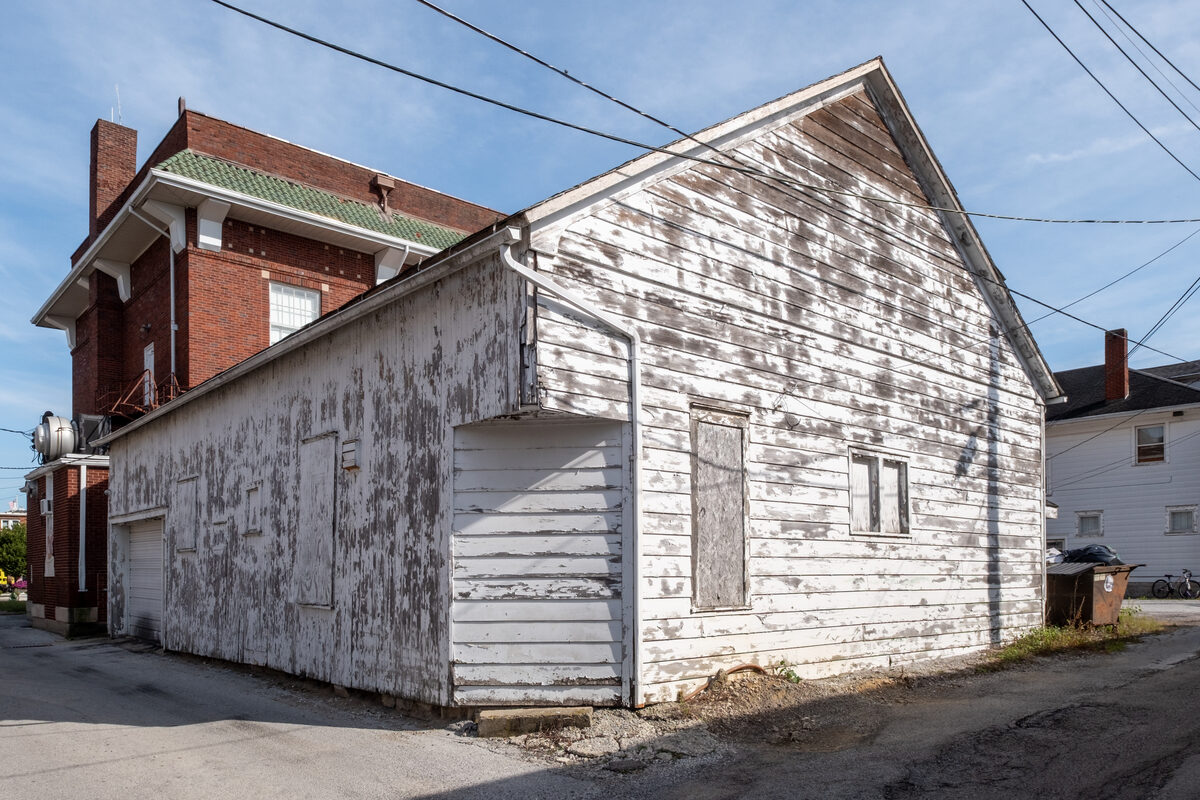
Exterior paint peels because it lost its grip on the surface, and there are four usual reasons: water getting behind it, dirt or chalk under it, bare wood that was never primed, or a new coat that does not bond to the old one. Repainting without fixing the cause brings the peeling back, often in the same spots.
1. Water Behind the Paint
This is the most common cause on wood and hardboard siding and trim. Water gets in through failed caulk, cracked paint, the cut ends of boards, or from the inside of the wall, and pushes the paint film off as it tries to escape.
Clues: peeling at the bottom edges of siding, on window sills, around door frames, below gutters that overflow, and behind sprinklers. Paint often comes off down to bare wood, and the wood may be dark or soft.
The fix: find and stop the water first. Replace soft wood, seal joints with fresh caulk, keep gutters and sprinklers off the wall, and prime bare wood before painting.
2. Dirt, Pollen, Mildew or Chalk
Paint bonds to whatever is on the surface. If that is a layer of pollen, mildew, red clay dust or the chalky powder left by old paint, the new coat grips the dust instead of the house, and peels in sheets.
Clues: large flakes with dust or old color on the back; peeling on north walls (mildew) or sunny walls (chalk).
The fix: wash the house with a cleaner and mildewcide, let it dry, and use a bonding primer on chalky areas.
3. Bare Wood or Repairs Without Primer
Bare wood and new boards absorb finish paint unevenly, and paint over bare wood weathers fast. Wood left bare for weeks also loses surface fibers to sunlight, which weakens the bond.
Clues: peeling on boards that were replaced, on spots that were scraped to bare wood last time, and on end grain.
The fix: prime bare wood promptly with an exterior primer suited to the wood, and prime all sides of new boards where possible.
4. Incompatible Coatings
Latex paint applied over old glossy oil-based paint, without sanding and a bonding primer, can peel off in strips. Paint over old chalky or very thick layers can also pull the weak layers below it loose.
Clues: peeling that exposes a glossy layer underneath; the new paint lifts cleanly off the old.
The fix: scuff-sand glossy areas, use a bonding primer, and scrape back to a sound layer where old coats are failing. In homes built before 1978, that scraping follows lead-safe practices.
Peeling vs. Blistering
Blisters are bubbles in the paint. Blisters filled with water point to moisture; blisters that open to bare wood point to moisture or to painting in direct sun on a hot surface, which can make the top of the film skin over while the rest is still releasing solvent or water. Painting the shady side of the house and following the label temperature range prevents heat blisters.
How a Repaint Should Handle Peeling
- Find the cause of each peeling area.
- Scrape loose paint and sand edges smooth.
- Replace rotted wood; do not fill and paint over it.
- Wash and dry the surface.
- Prime bare and chalky areas.
- Caulk joints, then apply two finish coats.
Frequently Asked Questions
Why is paint peeling only at the bottom of my siding?
Water. Splash-back, sprinklers, mulch against the siding and water wicking into the cut ends of boards keep the bottom course wet.
Can I just scrape and repaint the peeling spots?
For small areas with a fixed cause, yes, with primer. Widespread peeling usually means the cause is still there.
Why is my new paint peeling after a year?
Usually poor prep: dirt, chalk or pollen under the paint, missing primer, or moisture in the wood when it was painted.
Does peeling paint mean lead?
Not by itself, but peeling paint on a house built before 1978 may contain lead, so scraping should follow lead-safe practices.
Stop the Peeling for Good
Our exterior painting scope lists the cause and the fix for each peeling area before we quote. If the wood is soft, see wood rot repair, or contact us.