
Nail Pop Repair
Loose fasteners reset or replaced with screws next to the pop, then covered with joint compound and sanded flat.
Doorknob holes, nail pops, settling cracks, and ceilings stained by old leaks, repaired, textured to match, primed and painted so you cannot find the patch.
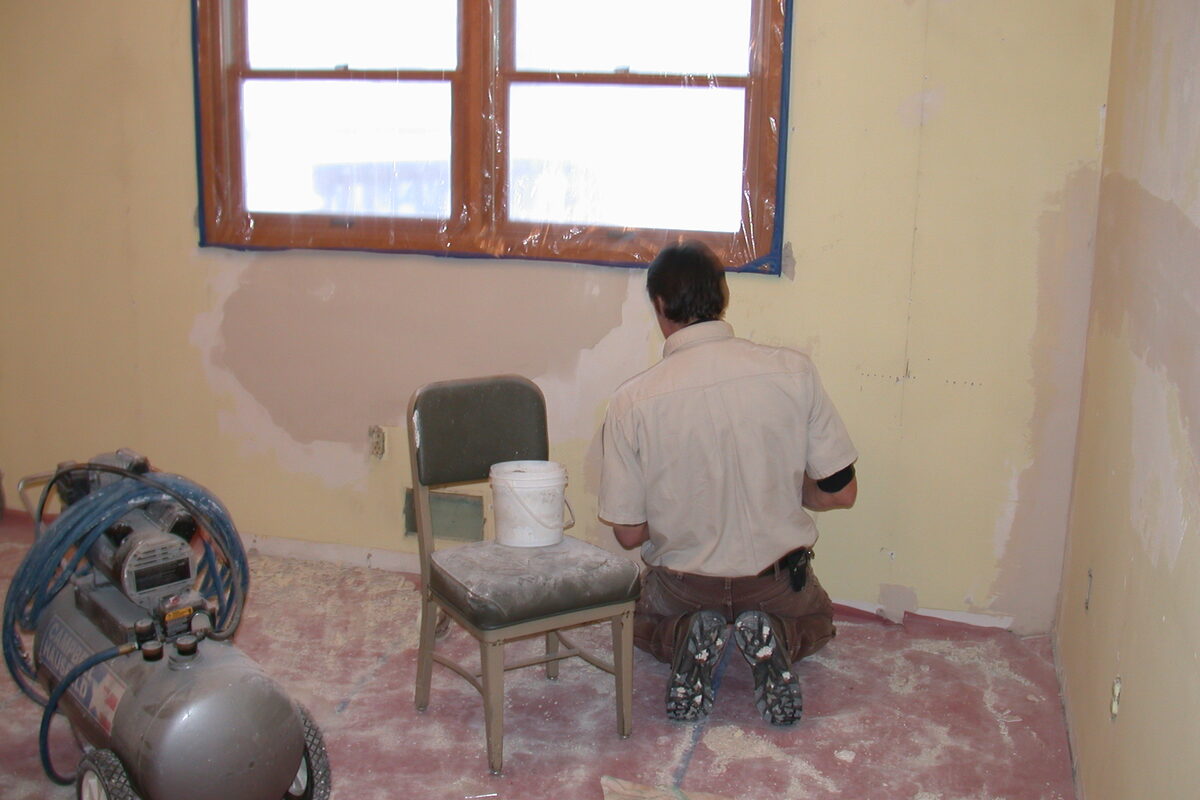
Most drywall damage is cosmetic, but a few kinds point to a moisture problem that has to be fixed first. Here is what we see most.
A patch that cannot be seen has three parts: a flat repair, matching texture, and primer before paint. Skip any one and it shows.
Loose fasteners reset or replaced with screws next to the pop, then covered with joint compound and sanded flat.
Small holes filled, larger ones cut square and patched with new board and backing, then taped and finished.
Corner and seam cracks opened, taped with mesh or paper and finished so they do not telegraph back through the paint.
Stains sealed with a stain-blocking primer once the leak is fixed and the board is dry; soft or sagging sections replaced.
Orange peel, knockdown and hand textures matched by spray or hand so the repaired area blends.
Patches primed so they do not flash, then the wall painted corner to corner when spot-painting would show.
Repairing before a listing photo or a move-out? Call and we will fit it in with the paint.
📞 Call (980) 243-8188Most Matthews homes were framed with lumber between the 1980s and today, and new framing shrinks as it dries over the first several heating seasons. That shrinkage pushes drywall fasteners out (nail pops) and opens hairline cracks at door corners and ceiling seams. In houses from the 1980s and 1990s, it is common to see the same pops come back because they were filled, not refastened.
Water is the other common cause. Ceiling stains under upstairs bathrooms, at exterior walls after a storm, and around HVAC returns in humid summers usually mean the board got wet at some point. The EPA's moisture guidance is clear that the water source gets fixed and the material dried before it is sealed and painted.
In homes built before 1978, sanding painted drywall or plaster follows lead-safe practices, and older textured ceilings should be tested for asbestos before they are disturbed.
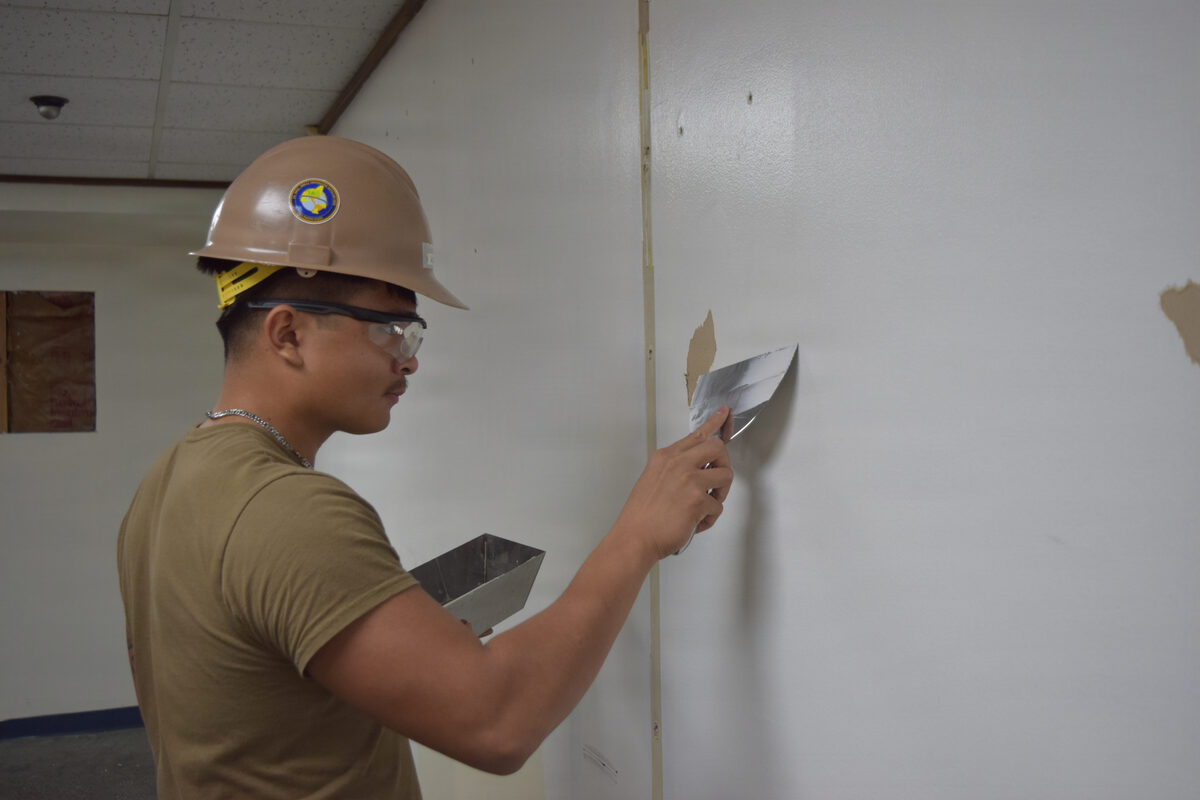
Most repairs take two or three short visits or one longer day, because joint compound needs to dry between coats.
We check whether the damage is settling, impact or water, and confirm any leak has been fixed and the board is dry.
Fasteners reset, holes patched with new board, cracks taped, and the first coat of compound applied.
Second and third coats feathered wide, sanded flat, and texture matched to the surrounding wall.
Patches primed and the wall painted so the repair matches in color and sheen.
Ready for step one?
Call (980) 243-8188Ask whether the repair includes texture matching and painting the full wall, and whether the cause of a stain has been fixed.
Moisture control comes before paint wherever stains, mildew or soft wood show up.
Explains the lead-safe rules that apply when painting work disturbs paint in homes built before 1978.
Settling, fasteners and the fix that lasts.
Stain-blocking primer and when to replace the board.
Full-wall paint for a seamless finish.
National benchmarks by repair type.
A good patch disappears. Our painters do the repair and the paint, so nobody blames the other trade for a patch that shows.
Straight answers on cost, nail pops, cracks and water stains.
Drywall repair is quoted by the number and type of repairs and whether the wall gets painted. HomeGuide's national benchmarks are $300 to $500 for small holes, $500 to $800 or more for larger patches, and $350 to $1,500 or more for ceiling repairs, with minimum job fees of $350 to $650 (October 2025).
Read the cost sources and assumptions.
Question about your property? Call (980) 243-8188Because the framing has moved and the nail is loose. Filling over it hides the head for a while. The lasting fix is to drive a screw next to it, set or remove the nail, and finish over both.
Question about your property? Call (980) 243-8188Usually not. Hairline cracks at door and window corners come from normal framing movement. Wide cracks that keep growing, doors that start sticking, or sloping floors should be checked by a structural professional.
Question about your property? Call (980) 243-8188Yes. Orange peel, knockdown and most hand textures can be matched closely. Exact matches on very old or unusual textures can take a test patch.
Question about your property? Call (980) 243-8188Sometimes. Spot-painting works if the wall paint is fairly new and you have the original can. Older paint has faded or changed sheen, so we usually paint the wall corner to corner.
Question about your property? Call (980) 243-8188Small repairs can be done in one visit with quick-setting compound. Taped cracks and larger patches usually need two or three visits for compound to dry between coats.
Question about your property? Call (980) 243-8188Yes, once the leak has been repaired and the board is dry. Stained but sound drywall gets a stain-blocking primer; sagging or soft sections are cut out and replaced.
Question about your property? Call (980) 243-8188Patching and painting typically do not need a permit. Replacing large sections tied to plumbing, electrical or structural work may; check with Mecklenburg County Code Enforcement.
Question about your property? Call (980) 243-8188Send photos of the holes, cracks or stains, and tell us if there was ever a leak. We will tell you what the repair involves.